


Every day, millions of Americans scroll through Google, Instagram, Facebook, LinkedIn, and other platforms looking for their next purchase, service provider, or solution.
Behind many of those clicks, you will find a carefully planned advertising strategy working quietly in the background.
I have seen how the right digital advertising approach can transform a struggling campaign into a consistent growth engine. But I have also seen businesses waste thousands of dollars by launching ads without a clear plan.
Paid advertising is not about pressing a “boost post” button and hoping for magic. It requires research, creativity, testing, and smart decision-making.
For modern marketing agencies, Paid Ads Management has become one of the most important services for helping clients compete in crowded U.S. markets.
Agencies need more than attractive ads; they need strategies that generate qualified leads, improve conversions, and create measurable results.
The digital advertising world changes quickly. One month, a campaign performs like a championship team. The next month, rising competition, changing customer behavior, or platform updates can change everything.
That is why agencies need a structured approach that combines creativity with data.
What Is Paid Ads Management?
Paid Ads Management means planning, creating, monitoring, and optimizing paid advertising campaigns across platforms like Google Ads, Meta Ads, LinkedIn Ads, and other digital channels.
I look at it as the control center behind online advertising success. A strong strategy manages everything from audience targeting and keyword selection to budget allocation and performance tracking.
A complete Paid Ads Management process usually includes:
- Audience research
- Campaign planning
- Ad copy creation
- Landing page evaluation
- Budget management
- Keyword research
- A/B testing
- Conversion tracking
- Performance reporting
- Continuous optimization
Instead of guessing what customers want, agencies use data to understand what attracts attention and what drives action.
Why Marketing Agencies Need Paid Ads Management
Marketing agencies often handle multiple clients with different goals. One client may want more phone calls, another may want online sales, while another may focus on brand awareness.
Without proper Paid Ads Management, agencies can easily lose track of what works and what wastes money.
Here are some major benefits:
| Benefit | Why It Matters |
| Better Budget Control | Helps agencies spend money where results appear |
| Faster Visibility | Paid campaigns can generate traffic quickly |
| Targeted Reach | Ads reach specific audiences instead of random users |
| Measurable Results | Agencies can track clicks, leads, sales, and ROI |
| Competitive Advantage | Businesses can compete with larger brands |
I always compare advertising without management to driving cross-country without GPS. You might eventually reach your destination, but you will probably waste fuel, time, and patience.
How Paid Ads Management Works Step by Step
A successful campaign does not happen overnight. I follow a clear process to create campaigns that support business goals.
Successful campaigns depend on accurate measurement. I always recommend tracking important actions like leads, purchases, and customer interactions because data helps agencies make smarter decisions. Tools like Google Ads Help provide valuable guidance on campaign setup, optimization, and performance tracking.
1. Understanding the Client’s Goals
Before creating any ads, I focus on understanding the business.
I ask questions like:
- Who is the ideal customer?
- What problem does the service solve?
- What action should customers take?
- What budget makes sense?
A campaign without a clear goal is like ordering food without knowing what you are hungry for. You might get something, but it may not satisfy you.
2. Researching the Audience
Successful Paid Ads Management depends on knowing the audience.
I analyze:
- Customer demographics
- Search behavior
- Buying patterns
- Competitor strategies
- Customer pain points
For U.S. audiences, regional preferences also matter. A campaign targeting customers in New York City may require a different message than one targeting customers in Texas or California.
3. Choosing the Right Advertising Platform
Every platform serves a different purpose.
| Platform | Best For |
| Google Ads | Capturing customers actively searching |
| Facebook Ads | Building awareness and reaching specific audiences |
| Instagram Ads | Visual branding and engagement |
| LinkedIn Ads | B2B services and professional audiences |
| YouTube Ads | Video marketing and storytelling |
A good agency does not simply advertise everywhere. It chooses platforms based on customer behavior.
Paid Ads Management vs SEO: Which One Should Agencies Use?
Many agencies ask whether they should focus on paid advertising or organic search. The answer depends on the business goal.
Paid advertising delivers faster visibility, while SEO builds long-term online authority.
A balanced strategy often combines both. I recommend using SEO Service alongside advertising campaigns to create a stronger digital presence.
Here is a simple comparison:
| Paid Ads | SEO |
| Faster traffic | Long-term growth |
| Requires ongoing budget | Builds organic visibility |
| Immediate campaign data | Gradual authority building |
| Great for quick results | Great for sustainable growth |
The smartest agencies understand that paid and organic strategies can work together like coffee and a great breakfast. One gives you energy now, while the other keeps you moving throughout the day.
Common Mistakes Agencies Make With Paid Advertising
Even experienced teams can make mistakes. I have noticed these problems repeatedly:
Ignoring Conversion Tracking
Clicks look exciting, but clicks alone do not pay the bills. Agencies need to track leads, purchases, and customer actions.
Targeting Too Broadly
Trying to reach everyone often means connecting with no one. Smart targeting creates better opportunities.
Creating Weak Ad Copy
People see hundreds of messages every day. A boring headline disappears instantly.
Strong ads usually include:
- A clear benefit
- A strong reason to act
- A direct message
- A solution to a problem
Forgetting Landing Page Experience
An amazing ad cannot fix a poor landing page. When someone clicks, the page must continue the same message and encourage action.
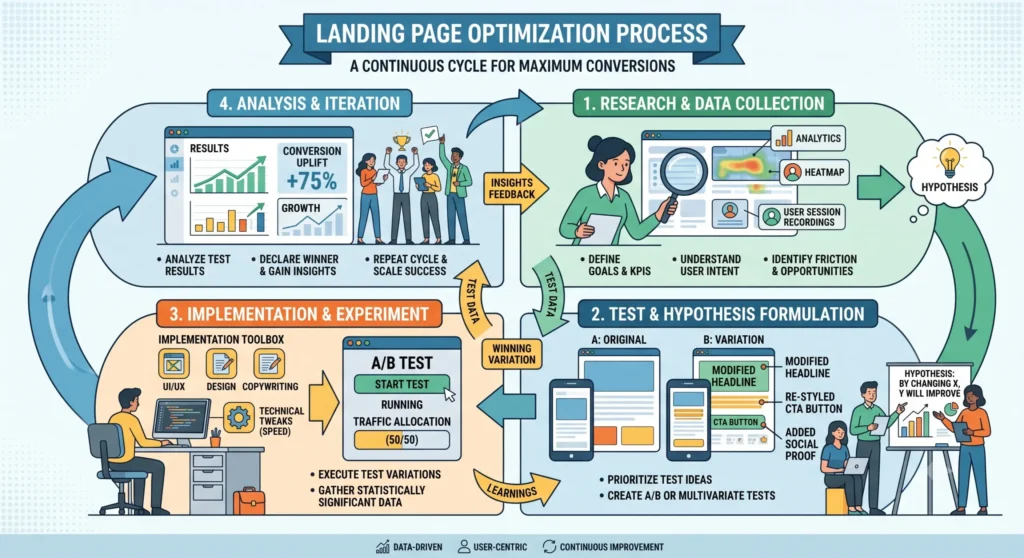
How Agencies Can Improve Their Paid Ads Management Strategy
I believe great campaigns come from constant improvement. The first version rarely becomes the final version.
Here are practical ways agencies can improve results:
Test Different Ad Variations
Experiment with:
- Headlines
- Images
- Videos
- Calls-to-action
- Audience segments
Testing reveals what customers actually prefer.
Review Campaign Data Regularly
I check important metrics such as:
- Cost per click
- Conversion rate
- Cost per lead
- Return on ad spend
Data tells the real story behind campaign performance.
Focus on Customer Intent
The best advertising does not interrupt people. It helps them solve problems at the right moment.
When someone searches for a service, your ad should feel like the answer they were already looking for.
The Future of Paid Ads Management
Advertising continues to evolve. Artificial intelligence, automation, privacy changes, and smarter targeting tools are reshaping the industry.
However, technology still needs human creativity.
A machine can analyze numbers, but a skilled marketer understands emotions, storytelling, and customer psychology.
The future of Paid Ads Management will focus on:
- Smarter automation
- Personalized campaigns
- Better audience insights
- Creative storytelling
- Improved customer experiences
Marketing agencies that adapt early will create stronger results for their clients.
How Marketing Agencies Can Scale With Paid Ads Management
Growing an agency is not only about finding more clients; it is also about delivering consistent results that keep those clients satisfied. This is where strong Paid Ads Management becomes a major advantage.
When agencies manage campaigns properly, they can create repeatable systems instead of starting from zero every time. A structured process allows teams to understand what works, what needs improvement, and where they should invest more budget.
For example, imagine an agency managing advertising for a local healthcare company. Instead of showing ads to everyone in the area, the agency can focus on people searching for specific services, analyze which messages generate the most responses, and adjust campaigns based on real customer behavior.
That level of precision helps businesses feel confident because they can clearly see where their marketing investment goes.
The Role of Data in Successful Paid Ads Management
Data is the backbone of every successful advertising campaign. Without it, agencies are simply making guesses.
I use campaign data to answer important questions:
- Which ads attract the most attention?
- Which audience segments convert better?
- Which keywords create valuable leads?
- Where does the advertising budget perform best?
This information helps agencies make smarter decisions instead of relying on assumptions.
Modern advertising platforms provide detailed insights, but the real skill comes from understanding what those numbers mean. A high number of clicks may look impressive, but if those clicks do not create customers, the campaign needs improvement.
The best Paid Ads Management strategies focus on business results, not just surface-level numbers.
Why Creative Strategy Matters in Paid Advertising
Many people think successful ads are only about targeting and budgets. However, creativity plays an equally important role.
Think about your own online habits. You probably scroll through dozens of ads every day without noticing most of them. The ads that make you stop usually have something different — a strong message, an interesting visual, or a clear solution.
Great creative strategy helps brands stand out in a crowded digital space.
Agencies should focus on:
- Writing headlines that create curiosity
- Using visuals that match the audience
- Highlighting real customer benefits
- Creating messages that feel personal
A good advertisement should feel less like a sales pitch and more like a helpful conversation.
Building Long-Term Client Success With Paid Ads Management
Marketing agencies that provide excellent Paid Ads Management do more than run campaigns. They become strategic partners for their clients.
Clients want transparency, communication, and measurable progress. Regular reports, clear explanations, and ongoing improvements help build trust.
I believe the strongest agency relationships happen when clients understand the journey. Advertising results rarely come from one single adjustment. They come from continuous testing, learning, and improving.
The agencies that stay ahead are the ones that treat every campaign as a learning opportunity. Each click, conversion, and customer interaction provides valuable information that can improve future performance.
Conclusion
The advertising landscape moves fast, and marketing agencies need strategies that keep up. Paid Ads Management gives businesses the ability to reach the right people, measure performance, and improve results with confidence.
I believe successful campaigns come from combining creativity, strategy, and consistent optimization. Ads should not simply generate clicks; they should create meaningful customer connections.
If you want to explore better advertising opportunities and create campaigns designed for growth, you can Get in touch with our team today and start building a stronger digital marketing strategy.
Frequently Asked Questions
What does Paid Ads Management include?
Paid Ads Management includes campaign planning, audience research, ad creation, budget control, tracking, testing, and optimization across advertising platforms.
How much does Paid Ads Management cost?
The cost depends on campaign size, advertising platforms, competition, goals, and management requirements. Agencies usually create customized plans based on client needs.
Is Paid Ads Management better than SEO?
Neither strategy is automatically better. Paid advertising provides faster visibility, while SEO supports long-term growth. Many successful businesses use both together.
How long does it take to see results from Paid Ads Management?
Some campaigns generate results quickly, while others require testing and optimization. Performance depends on the industry, audience, budget, and campaign quality.
Why do businesses need professional Paid Ads Management?
Professional management helps businesses avoid wasted spending, improve targeting, analyze performance, and create campaigns focused on real business outcomes.
Can small businesses benefit from Paid Ads Management?
Yes. Small businesses can use targeted campaigns to reach specific customers, compete locally, and grow without needing the same budget as large companies.